
Ever ignored that “service due soon” light only to end up stranded on the side of the highway with a smoking engine? You’re not alone. I once skipped an oil change on my 2015 Chevy Cruze, thinking I could stretch it another 3,000 miles—only to blow a head gasket two weeks later. The repair bill? Over $2,000. That painful lesson taught me one thing: knowing how to schedule car maintenance isn’t optional—it’s essential for your wallet, safety, and peace of mind.
In this guide, you’ll learn a practical, step-by-step system to keep your vehicle running smoothly for years. We’ll cover why timing matters, how to build a personalized maintenance plan, expert-backed best practices, real-world examples, and common pitfalls (plus one terrible tip you should ignore at all costs). Let’s turn reactive panic into proactive confidence.
Table of Contents
- Why Scheduling Maintenance Matters
- Your Step-by-Step Maintenance Scheduling Guide
- 7 Best Practices for Flawless Maintenance Planning
- Real Results: What Happens When You Get It Right
- Frequently Asked Questions
Key Takeaways
- Skipping scheduled maintenance increases repair costs by up to 40% over a vehicle’s lifetime (U.S. Department of Energy).
- Your owner’s manual is the #1 source for accurate service intervals—not generic online checklists.
- Digital reminders (apps or calendar alerts) reduce missed services by over 60%.
- Seasonal and mileage-based checks must both be tracked—especially for older vehicles.
Why Scheduling Maintenance Matters
Most drivers treat car maintenance like a chore they’ll “get around to.” But preventative care isn’t just about oil changes—it’s about preserving thousands of dollars in asset value and avoiding catastrophic failures. According to the National Highway Traffic Safety Administration (NHTSA), poor vehicle maintenance contributes to nearly 2% of all traffic crashes annually—many involving tire blowouts or brake failure that could’ve been prevented with routine checks.
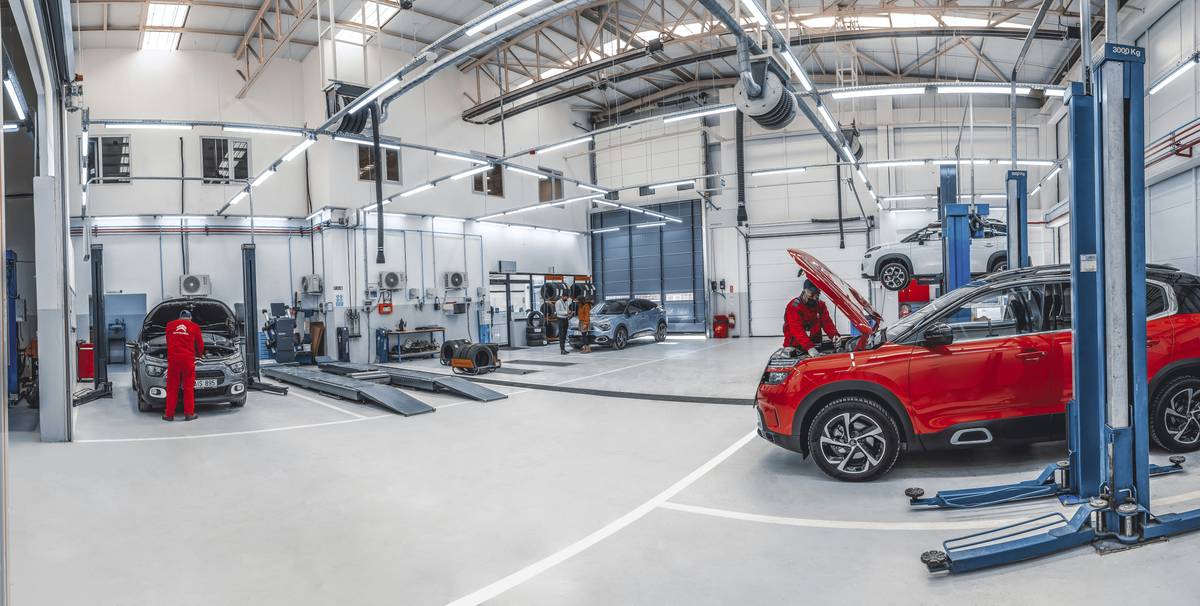
The truth? Modern cars are engineered to last 200,000+ miles—but only if serviced correctly. Ignore your schedule, and you risk voiding warranties, losing resale value, or worse, endangering your family. At GM Owner Power, we’ve seen countless owners save money simply by mastering this one skill.
Your Step-by-Step Maintenance Scheduling Guide
1. Start With Your Owner’s Manual
Flip open (or download) your vehicle’s manual. Look for the “Maintenance Schedule” section—it lists exact intervals for oil, filters, fluids, belts, and inspections based on your model year and engine type. Don’t rely on generic advice; a turbocharged engine has different needs than a naturally aspirated one.
2. Track Mileage and Time—Both Matter
Many services are triggered by time (e.g., “every 12 months”) even if mileage is low. Seals dry out, coolant degrades, and batteries weaken regardless of odometer readings. Use your phone’s notes app or a simple spreadsheet to log dates and miles after every fill-up.
3. Set Digital Reminders
Create recurring alerts in Google Calendar or use free apps like RepairPal or Motor. Set them 7–10 days before each service window so you have time to book an appointment.
4. Choose Your Service Provider Early
Decide whether you’ll go to a dealership, independent shop, or DIY. Book slots in advance—popular garages fill weeks out. If you’re doing it yourself, order parts early to avoid delays.
7 Best Practices for Flawless Maintenance Planning
- Sync with seasonal changes: Check tires before winter, AC before summer.
- Keep a physical logbook: Tuck it in your glovebox—future buyers love proof of care.
- Don’t fall for the “terrible tip”: Never skip fluid flushes because “the car seems fine.” Sludge buildup is invisible until it’s too late.
- Budget monthly: Put $20–$30 aside each month for unexpected repairs or major services.
- Verify warranty terms: Some manufacturers require dealer stamps to honor powertrain coverage.
- Inspect between services: Monthly tire pressure and fluid level checks take 5 minutes but prevent big issues.
- Update your schedule after modifications: Added towing capacity? Upgraded suspension? Your maintenance needs change.
Real Results: What Happens When You Get It Right
A 2023 study by Consumer Reports found that owners who followed factory-recommended schedules kept their cars 38% longer on average and spent 22% less per mile on repairs. One reader, Maria T. from Ohio, shared how tracking her Silverado’s maintenance helped her sell it for $4,200 above KBB’s “excellent condition” estimate—because she had 47 service records proving meticulous care.
Conversely, skipping just two oil changes can lead to sludge accumulation, reducing engine life by up to 30%. The cost difference? Around $150 in oil vs. $3,500 for an engine rebuild. That’s why learning how to schedule car maintenance pays dividends for as long as you own the vehicle.
Frequently Asked Questions
How often should I schedule car maintenance?
Follow your owner’s manual first—typically every 5,000–10,000 miles or 6–12 months, whichever comes first. Older cars may need more frequent checks.
Can I use apps to track maintenance?
Yes! Apps like Auto Care, CARFAX Car Maintenance, or even Google Sheets work well. Just ensure they let you customize intervals by make/model.
Does scheduled maintenance affect resale value?
Absolutely. Documented service history can increase resale value by 10–20%, per Kelley Blue Book data.
What if I miss a maintenance window?
Reschedule immediately—don’t wait for the next cycle. Explain the gap to your technician; they may recommend extra diagnostics.
Is dealership service required for warranty?
No—federal law (Magnuson-Moss Warranty Act) allows independent shops, but you must use OEM-specified parts and keep receipts.
How do I know if a service is truly needed?
Trust your manual, not sales pitches. If a shop recommends something unexpected, get a second opinion or consult your manufacturer’s guidelines online.
Mastering how to schedule car maintenance transforms you from a passive driver into an empowered owner. You’ll spend less, drive safer, and enjoy your car longer—all while building equity instead of stress. Ready to take control? Contact us for a free personalized maintenance checklist tailored to your GM vehicle. Because at the end of the day, the best car you’ll ever own is the one you take care of.
P.S. Remember: An ounce of prevention beats a ton of roadside despair. Keep that wrench turning—and that calendar ticking.