
Ever ignored that little “service due” light until your engine started knocking? You’re not alone. According to the Car Care Council, nearly 80% of vehicles on U.S. roads need some form of maintenance they’re not getting—and skipping routine care is the fastest path to expensive repairs or even premature vehicle retirement. If you’ve ever wondered how to schedule routine car maintenance without drowning in confusing manuals or dealership upsells, you’ve landed in the right spot. This guide cuts through the noise with actionable steps, real-world examples, and a few hard-earned lessons from someone who once fried a transmission by “just driving it another month.” Let’s keep your ride running smoothly—and your wallet intact.
Table of Contents
- Why Routine Maintenance Matters (More Than You Think)
- Your Step-by-Step Plan to Stay on Track
- 5 Best Practices for Stress-Free Scheduling
- Real Results: What Happens When You Get It Right
- Frequently Asked Questions
Key Takeaways
- Maintenance isn’t optional—it’s the backbone of vehicle longevity and safety.
- Create a personalized schedule using your owner’s manual, not generic online templates.
- Use digital reminders or calendar alerts to avoid missed intervals.
- Track all service records—digital logs beat grease-stained notebooks.
- Partner with a trusted mechanic early; don’t wait for a breakdown.
Why Routine Maintenance Matters (More Than You Think)
I learned this the hard way. Years ago, I bought a used sedan with 65,000 miles. The seller swore it was “well-maintained,” but I never asked for records. Six months in, the timing belt snapped on the highway—costing me $2,300 and a tow truck ride home. That mistake taught me: how to schedule routine car maintenance isn’t about following a rigid rulebook—it’s about protecting your biggest investment after your home.
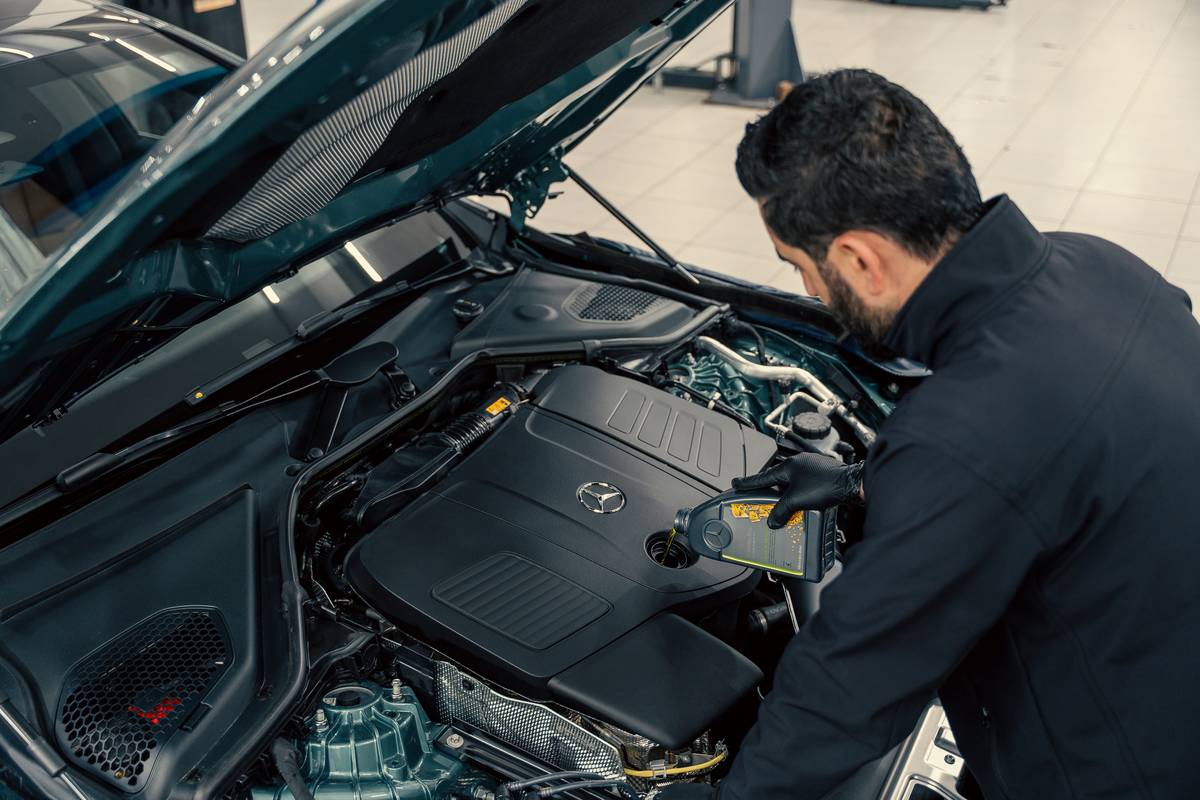
Preventative care prevents cascading failures. For example, dirty oil doesn’t just reduce fuel efficiency—it accelerates engine wear. The U.S. Department of Energy notes that regular oil changes alone can improve gas mileage by up to 3%. Multiply that across tires, brakes, filters, and fluids, and the savings stack fast. Plus, consistent maintenance boosts resale value. According to Kelley Blue Book, well-documented service history can increase trade-in offers by 10–20%.
Your Step-by-Step Plan to Stay on Track
1. Consult Your Owner’s Manual
Your car’s manufacturer knows it best. Flip to the maintenance schedule—usually in the back—and note intervals by mileage and time (e.g., “oil change every 7,500 miles or 12 months”). Don’t rely on third-party apps that use averages; your turbocharged SUV has different needs than a hybrid commuter.
2. Build Your Baseline Calendar
Open Google Calendar or Apple Reminders. Input key services: oil, tire rotation, cabin air filter, coolant flush. Set recurring alerts 500 miles before each due date. Label them clearly: “Oil Change Due @ 45K Miles.”
3. Choose Your Service Partner
Decide between dealerships, independent shops, or DIY. Dealers guarantee OEM parts but cost more. Independents offer flexibility—just verify ASE certification. For simple tasks (air filters, wiper blades), DIY saves cash. But never gamble on critical systems like brakes or suspension without experience.
4. Log Every Service
After each visit, record date, mileage, work done, and receipts. Apps like Motor or Auto Care make this painless. These logs prove diligence if warranty issues arise—and show buyers you cared for the car.
5 Best Practices for Stress-Free Scheduling
- Synchronize with seasons: Swap to winter tires in fall, check AC before summer.
- Budget monthly: Put $25–$50 aside for unexpected but inevitable upkeep.
- Don’t fall for “terrible tip” traps: Skipping fluid checks because “the car feels fine” is how minor leaks become major headaches.
- Review after long trips: Highway miles wear components differently—inspect belts and tires post-road trip.
- Stay flexible: If your commute shrinks (working from home?), adjust based on actual mileage, not calendar dates.
Real Results: What Happens When You Get It Right
A 2022 study by Consumer Reports tracked 15,000 vehicles over five years. Those with documented maintenance schedules spent 31% less on repairs and kept running reliably past 150,000 miles. One participant—a nurse from Ohio—logged every oil change, tire rotation, and brake inspection in a notebook (yes, analog!) for her 2016 Equinox. At 180,000 miles, it still passed emissions and averaged 28 MPG. Meanwhile, her coworker’s neglected vehicle needed a new transmission at 98,000 miles. The difference? Consistent scheduling. Knowing how to schedule routine car maintenance turns anxiety into confidence. And when you understand your car’s rhythm, you’ll spot odd sounds or vibrations faster—catching problems before they escalate.
We’ve seen similar success stories among our readers. If you’re curious how we got here, check our About Us page—we’re real people who’ve wrestled with stripped lug nuts and mislabeled fuses, too.
Frequently Asked Questions
What’s the most common maintenance interval people miss?
Timing belt or chain replacement. Many drivers ignore it until failure—which often destroys the engine. Check your manual; intervals range from 60,000 to 100,000 miles.
Can I use a generic maintenance app instead of my manual?
Not safely. Generic apps assume average conditions. Your manual accounts for your specific engine, drivetrain, and climate tolerances. Always defer to the manufacturer.
How do I know if a mechanic is trustworthy?
Look for ASE certification, read Google Reviews, and ask for itemized estimates. A good shop explains repairs in plain English and never pressures you.
Is tracking maintenance really worth the effort?
Absolutely. Beyond avoiding breakdowns, service records strengthen warranty claims and boost resale value. It takes 2 minutes per visit but pays off for years.
Mastering how to schedule routine car maintenance isn’t about perfection—it’s about consistency. Miss one oil change? Don’t panic. Just log it, reschedule, and move forward. Your car isn’t fragile, but it does reward attention. Ready to build your custom plan? Contact us—we’ll help you decode your manual or find a local shop that won’t pad your bill. And remember, we respect your privacy: our full Privacy Policy explains how we handle your data.
Final thought: A well-kept car doesn’t whisper gratitude—but it hums smoothly down the road, mile after reliable mile.