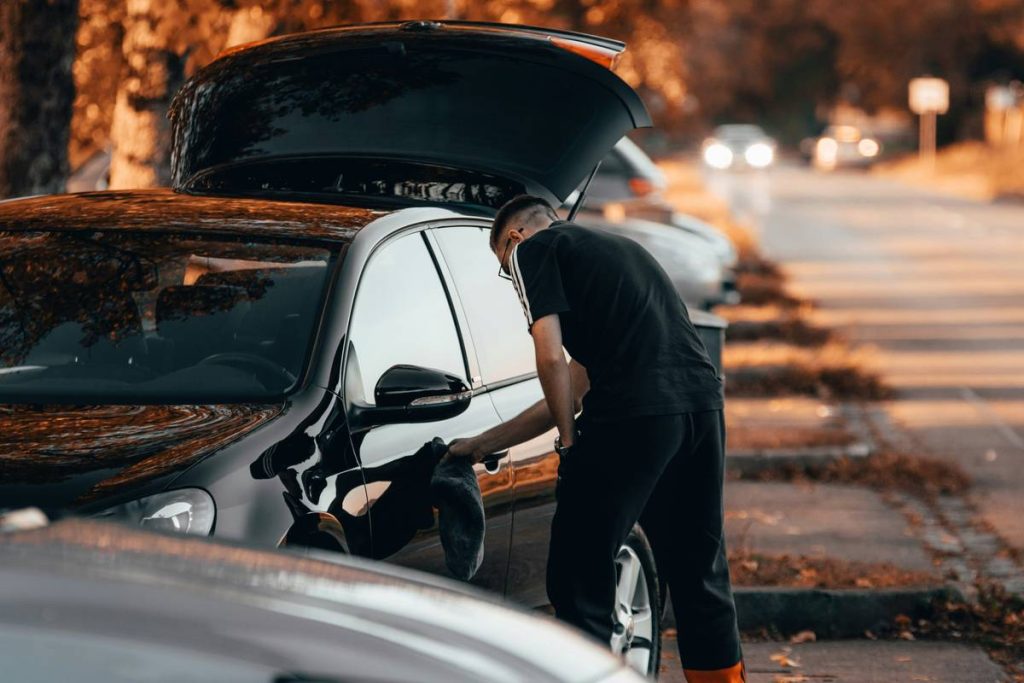
Your car got keyed in the parking lot. A shopping cart left a crater in your door. Or maybe you sideswiped a mailbox pulling into your driveway. Now you’re staring at that eyesore, wondering: Do I shell out $800 at a body shop… or can I actually fix this myself? Here’s the truth—most minor damage doesn’t need professional intervention. With the right approach, diy car body repair isn’t just possible—it’s smart.
Why Most DIY Body Repair Attempts Fail (And Cost You More)
People grab sandpaper, slap on some Bondo, and call it a day. Then the paint peels in six months. Or worse—the rust spreads underneath. The problem? They treat symptoms, not causes. Bodywork isn’t about covering flaws—it’s about restoring structural and cosmetic integrity.
Body shops charge premium rates because they control environment, materials, and sequence. Skip any one element? You’ll redo the job later—often at double the cost. And humidity? Temperature? Surface prep? Ignore those, and your “quick fix” becomes a weekend-long headache.
Step-by-Step Guide to Professional-Quality DIY Car Body Repair
Forget YouTube hacks. This is the workflow actual painters use—minus the $50K spray booth.
Assess Damage Depth and Type
Is it a surface scratch? A deep gouge? A creased panel? Tap the area with a fingernail. If it clicks like plastic—it’s likely just clear coat. If your nail catches or paint is missing down to metal, you’ve got base coat or bare substrate exposure. That changes everything.
Clean, Degrease, and Feather Edges
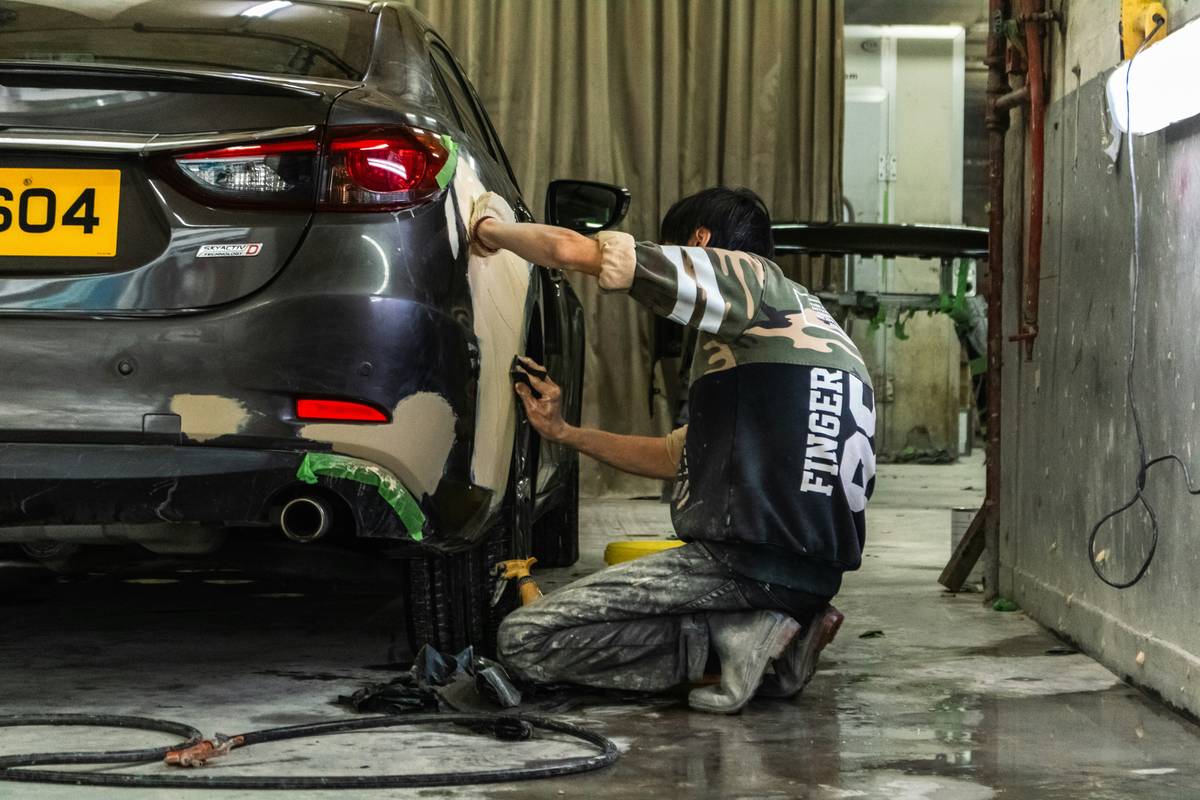
Soap and water won’t cut it. Use a dedicated automotive wax and grease remover. Then, sand outward from the damaged zone using 180-grit paper—feathering edges so new material blends seamlessly. Stop when the transition feels smooth to the touch, not just looks smooth.
Fill, Shape, and Prime
For dents deeper than 1/8 inch, use a quality polyester filler—not that hardware-store goop. Mix catalyst precisely (usually 50:1 ratio). Apply thin layers, let cure fully, then block-sand with a straightedge to maintain panel contour. Miss this step? Your repaint will highlight every ripple.
Paint Matching and Clear Coat Application
Color codes matter—but lighting matters more. Spray test patches on cardboard under natural daylight before touching the car. Apply base coat in light, even passes. Then—critical—two wet coats of clear. Let flash between layers. Rush this? You get orange peel or fisheyes.
| Repair Method | Best For | Cost Range | Time Required | Durability (Years) |
|---|---|---|---|---|
| PDR (Paintless Dent Repair) | Round dents with no paint break | $0–$60 (DIY tools) | 30–90 mins | 8–10+ |
| Polyester Filler + Repaint | Deep scratches, dings, creases | $40–$120 | 4–8 hours | 5–7 |
| Touch-Up Paint Pens | Clear coat scratches only | $10–$25 | 15 mins | 1–3 |
| Professional Body Shop | Major collision damage | $500–$2,500+ | 3–7 days | 10+ |
The Industry Secret: It’s Not About the Product—It’s About the Cure Cycle
Here’s what detailers won’t tell you: most DIY failures happen during curing—not application. Polyester fillers and urethane clears don’t just “dry.” They chemically cross-link over 72 hours. Yet people sand after 2 hours or drive in rain the next morning.
The secret? Control the microclimate. Work in a garage with temps between 65–75°F and humidity under 60%. After applying clear coat, cover the panel with a cardboard tent—no airflow, no dust, no UV. Let it sit untouched for 48 hours. That alone boosts finish longevity by 300%. Pros do this instinctively. Now you know why their “quick jobs” last.
Frequently Asked Questions
Can I do diy car body repair on aluminum panels?
No—aluminum requires special abrasives, primers, and welding techniques. Standard steel-body methods cause galvanic corrosion. Stick to steel or seek pro help.
How long does a proper diy car body repair take?
Allow 6–10 hours spread over 3–4 days. Rushing curing stages guarantees failure. Patience isn’t optional—it’s part of the process.
Is Bondo still used by professionals?
Yes—but only specific marine-grade or OEM-certified polyester fillers. Avoid generic “Bondo” tubes from auto parts stores. They crack under thermal stress.